MEMENTO MORI · SERA NIMIS VITA EST CRASTINA VIVE HODIE · NON EST VIVERE SED VALERE VITA EST · HOMINEM PAGINA NOSTRA SAPIT · SVMMVM NEC METVAS DIEM NEC OPTES · HOC EST VIVERE BIS VITA POSSE PRIORE FRVI · MEMENTO MORI · QVOD SIS ESSE VELIS NIHILQVE MALIS · SPQR
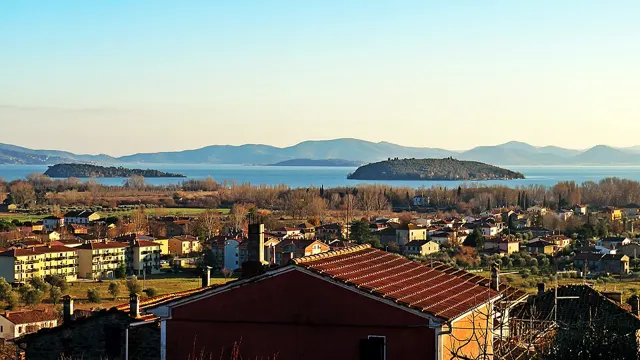
Hannibal ambushed the consul Flaminius in fog on the shore of Lake Trasimene; Ovid places the disaster in late June, and Livy counts fifteen thousand Romans dead.
The praetor Pomponius said: “We have been defeated in a great battle.”
Background
In 218 BC Hannibal crossed the Alps and beat the Romans twice in northern Italy. In spring 217 the consul Gaius Flaminius followed him into Etruria. Hannibal ravaged the land between Cortona and Lake Trasimene to provoke him, and waited where the lake comes close to the hills, leaving only a narrow passage.
Livy describes what followed per Livy. The Romans entered the pass in thick morning mist, and the Carthaginians attacked from the hills on all sides. There was no time to form a battle line; each man fought where he stood. The fighting was so fierce, Livy says, that no one noticed an earthquake that shook Italy. Flaminius was killed by an Insubrian horseman named Ducarius. Many fled into the lake and drowned or were cut down. Fifteen thousand Romans died, according to Livy's source Fabius. Ovid uses the day as a warning to ignore bad auspices at one's peril, which Flaminius had done per Ovid.
At Rome, crowds and anxious matrons filled the Forum until, near sunset, the praetor Marcus Pomponius announced simply: "We have been defeated in a great battle."
Before Caesar's reform (45 BC) the calendar had drifted from the seasons, so the real seasonal date was different; we don't give a modern equivalent. Why?
Ancient source: Ovid, Fasti 6.765–768; Livy 22.4–7 · Reference
☁ Rome today (1991–2020 avg): 28°/17°C (82°/63°F) · rain 11% of days
Rome in JuneHarvest meant long days for gangs of hired reapers, often seasonal migrant…
Fields & crops
Grain harvest began in the lowlands: wheat was reaped, threshed on the threshing floor and stored. Columella advises clearing the floor and preparing granaries per Columella 11.2.
Courts & law
Normal court business. As on every Kalends, interest on loans fell due on 1 June, also the day of Carna, goddess of the body's vital organs, honoured with bean porridge and bacon per Ovid, Fasti 6.101–82.
Senate & politics
No fixed political dates, but in the Republic elections were often held in summer, with candidates canvassing in whitened togas late Republic; often July.
Military
Campaigns continued; harvests in enemy territory were sometimes burned or seized to feed armies.
Festivals & religion
The Vestalia (9 June), when bakers and millers garlanded their donkeys and mill-stones and women walked barefoot to Vesta's temple; the temple was cleaned on 15 June per Ovid, Fasti 6. Fishermen's games were held across the Tiber on 7 June.
Daily life
Harvest meant long days for gangs of hired reapers, often seasonal migrant labourers, alongside enslaved workers per Varro, Rust. 1.17, on hiring free labourers for harvests. Summer heat in Rome brought fevers, probably malaria in low, marshy districts; the wealthy left for hill or seaside villas per Horace and Celsus; malaria identification modern. The poor stayed in hot, crowded insulae.