MEMENTO MORI · SERA NIMIS VITA EST CRASTINA VIVE HODIE · NON EST VIVERE SED VALERE VITA EST · HOMINEM PAGINA NOSTRA SAPIT · SVMMVM NEC METVAS DIEM NEC OPTES · HOC EST VIVERE BIS VITA POSSE PRIORE FRVI · MEMENTO MORI · QVOD SIS ESSE VELIS NIHILQVE MALIS · SPQR
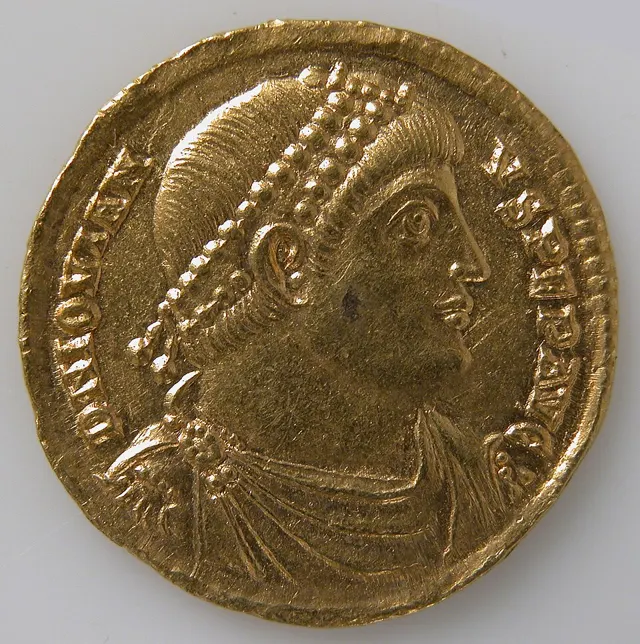
The morning after Julian’s death, with Persians all around, the army’s commanders argued over a successor; after Sallustius refused, Jovian was hastily proclaimed.
Julian died near midnight without naming a successor, leaving a Roman army deep in Persian territory, short of food and surrounded by the enemy. Someone had to take command at once.
Ammianus, an eyewitness, describes the meeting at dawn on 27 June per Ammianus. The generals gathered the senior officers of the cavalry and legions, and the debate was noisy. Officers who had served Constantius wanted one of their own; Nevitta, Dagalaiphus and the Gallic commanders wanted one of theirs. They all agreed on the prefect Sallustius, but he pleaded age and ill health. While they were still weighing opinions, a few men raised an uproar and Jovian, the commander of the guards and son of a respected officer, was proclaimed.
He was immediately dressed in imperial robes and led quickly through the army, whose column stretched four miles. Soldiers at the front heard the cry "Jovian Augustus", which differed by one letter from Julian, and cheered, thinking Julian had recovered. When they saw the new emperor, taller and stooping, they understood and burst into tears. Jovian soon made a humiliating peace with Persia, surrendering territory to bring the army home.
Ancient source: Ammianus Marcellinus 25.5 · Reference
☁ Rome today (1991–2020 avg): 29°/18°C (84°/64°F) · rain 10% of days
Rome in JuneHarvest meant long days for gangs of hired reapers, often seasonal migrant…
Fields & crops
Grain harvest began in the lowlands: wheat was reaped, threshed on the threshing floor and stored. Columella advises clearing the floor and preparing granaries per Columella 11.2.
Courts & law
Normal court business. As on every Kalends, interest on loans fell due on 1 June, also the day of Carna, goddess of the body's vital organs, honoured with bean porridge and bacon per Ovid, Fasti 6.101–82.
Senate & politics
No fixed political dates, but in the Republic elections were often held in summer, with candidates canvassing in whitened togas late Republic; often July.
Military
Campaigns continued; harvests in enemy territory were sometimes burned or seized to feed armies.
Festivals & religion
The Vestalia (9 June), when bakers and millers garlanded their donkeys and mill-stones and women walked barefoot to Vesta's temple; the temple was cleaned on 15 June per Ovid, Fasti 6. Fishermen's games were held across the Tiber on 7 June.
Daily life
Harvest meant long days for gangs of hired reapers, often seasonal migrant labourers, alongside enslaved workers per Varro, Rust. 1.17, on hiring free labourers for harvests. Summer heat in Rome brought fevers, probably malaria in low, marshy districts; the wealthy left for hill or seaside villas per Horace and Celsus; malaria identification modern. The poor stayed in hot, crowded insulae.